Warring Nations Trade Accusations Over Extensive Ceasefire Breaches During Orthodox Holiday
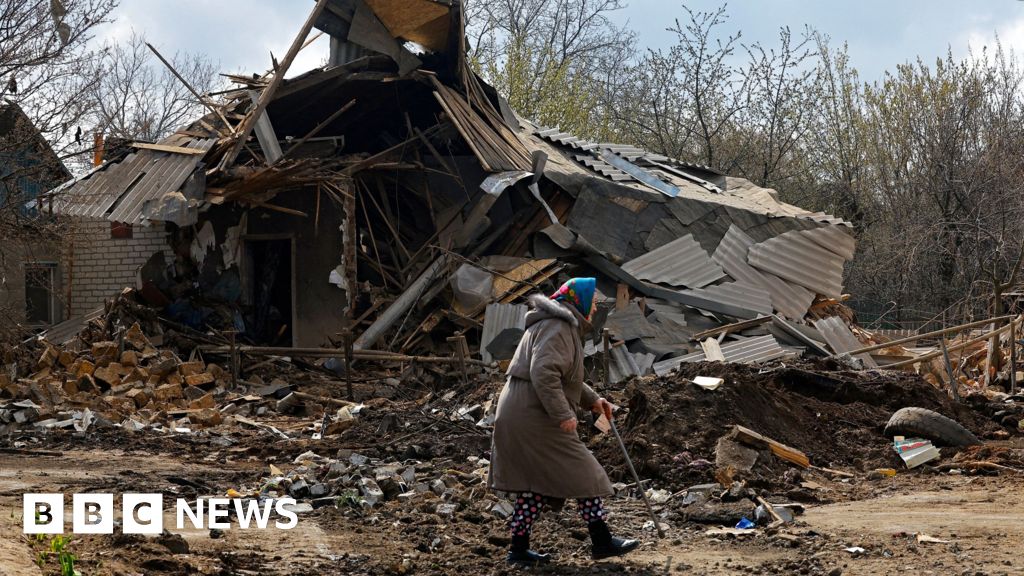
Two opposing forces in an ongoing Eastern European conflict have leveled serious accusations against each other regarding widespread violations of a temporary ceasefire established for Orthodox Easter observances.
Military officials from one nation reported on Sunday that opposing forces had breached the truce 2,299 times since it commenced at 4:00 PM local time on Saturday. The ceasefire was timed to coincide with the Orthodox Christian celebration of Easter.
Defense officials from the opposing side countered with their own allegations, claiming 1,971 violations by enemy forces, including three attempted offensive operations in the Dnipropetrovsk region.
The leader of one nation had previously stated that his military would respond proportionally to any attacks during the ceasefire period, emphasizing that Easter should represent a period of tranquility and reflection.
This leader expressed hope that the temporary cessation of hostilities could be prolonged beyond the Easter period to create conditions for renewed diplomatic negotiations, which have largely stagnated due to conflicts in other regions. However, the opposing side rejected any extension, indicating that military operations would resume on Monday.
According to military reports, enemy forces conducted 28 separate attacks and executed nearly 2,000 drone operations, though they refrained from deploying bombs or missiles during this period.
In the northern Sumy region, which shares a border with the opposing nation, local officials reported that a medical vehicle was struck by an enemy drone during nighttime hours, resulting in injuries to three healthcare workers.
The opposing nation’s defense ministry reported three overnight assaults on their positions in the Pokrovsk area and Otradne within the Dnipropetrovsk region.
Military officials also stated that four attempts by enemy troops to advance positions in Sumy and Donetsk regions were successfully repelled.
The Easter ceasefire was unilaterally declared earlier in the week by one nation’s leadership, marking a departure from previous resistance to temporary halts in fighting. The opposing side agreed to reciprocate the gesture.
Earlier this year, the same leadership had agreed to suspend attacks on energy infrastructure following international pressure, as the region prepared for severe winter conditions.
Both sides initially reported minor infractions during the first hours of the truce on Saturday before escalating to more substantial allegations of violations.
In a separate development, both nations announced a prisoner exchange on Saturday, with each side releasing 175 prisoners of war, including seven civilians from each country.
Military personnel and civilians in frontline areas of this conflict, which has persisted since 2022, maintain skeptical views regarding the effectiveness of temporary ceasefires.
One side has consistently advocated for a more comprehensive cessation of hostilities, viewing it as an essential prerequisite for establishing a permanent resolution to the large-scale military intervention.
However, the opposing nation has maintained that a comprehensive peace agreement must be negotiated before any extended ceasefire, leading to criticism that they lack genuine commitment to ending the conflict.