Yosemite Eliminates Reservation System, Raising Concerns About Overcrowding
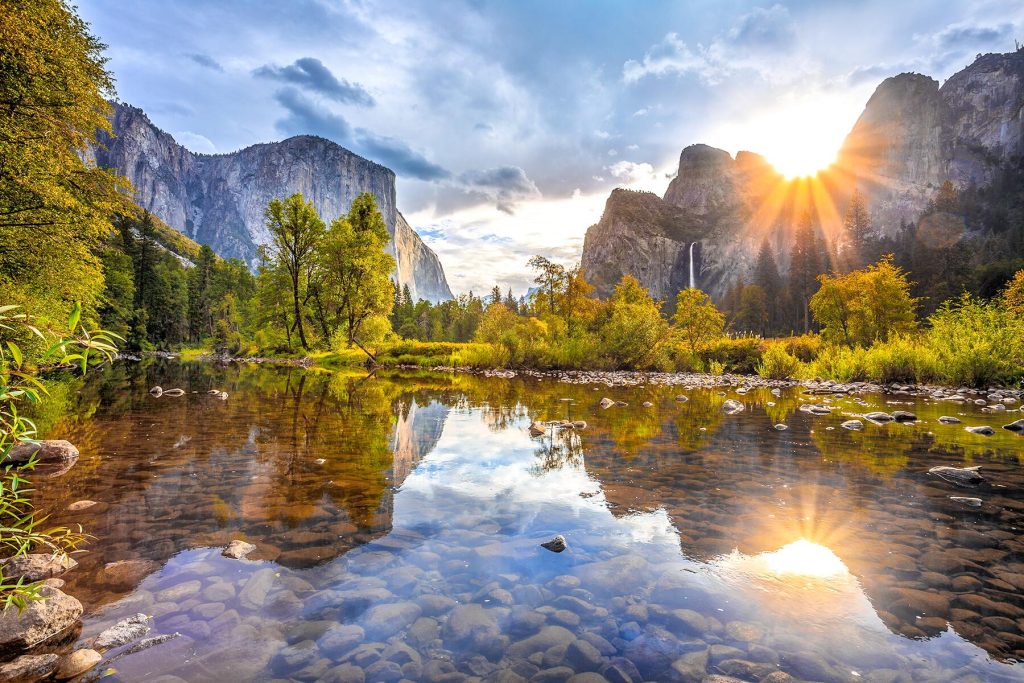
The National Park Service has announced the end of reservation requirements at Yosemite, Arches, and Glacier National Parks, a decision that has sparked debate following chaotic scenes during the recent Presidents Day weekend at Yosemite.
The popular California park experienced significant overcrowding during the holiday weekend as visitors flocked to witness the famous Firefall phenomenon at Horsetail Fall, where the waterfall appears to glow orange for several minutes at sunset. This natural spectacle occurs for approximately two weeks each February and typically draws hundreds of photographers and nature enthusiasts.
Weekend Chaos Highlights Management Challenges
The Presidents Day weekend demonstrated the potential consequences of unrestricted park access. Visitors reported extensive delays, with some waiting up to three hours for shuttle services. Parking facilities reached capacity, and many guests were unprepared for the harsh weather conditions while waiting for hours in freezing temperatures.
One visitor, Jon Adams, described distributing hand warmers to fellow park-goers who had underestimated the cold weather and lengthy waits. Despite the challenging conditions, many visitors were unable to witness the Firefall due to unfavorable weather conditions that prevented the optical effect from occurring.
The park service acknowledges these challenges on its official guidance, recommending visitors bring appropriate winter gear and prepare for extended outdoor exposure in February conditions.
Reservation System History and Controversy
Yosemite first implemented a reservation pilot program during the COVID-19 pandemic to manage the park’s annual visitor volume of over 4 million people. The system has been repeatedly modified, with the park removing reservations in 2023, reinstating them in 2024, and scaling back requirements in 2025 before the current elimination.
The reservation debate divides stakeholders into distinct camps. Critics argue the system creates barriers for spontaneous travel and disadvantages those less comfortable with digital booking platforms. Supporters contend that managed access protects natural resources and improves visitor experiences by reducing overcrowding.
Kevin Lilly, acting assistant secretary for Fish, Wildlife, and Parks, defended the decision by emphasizing accessibility, stating that national parks belong to all Americans and should remain open and accessible.
Conservation Groups Express Concern
The National Parks Conservation Association strongly opposes eliminating the reservation system. Mark Rose, the organization’s senior Sierra Nevada program manager, warns that removing seasonal reservations will likely result in extensive traffic delays, environmental damage, increased staff strain, and diminished visitor experiences.
Rose also highlighted concerns about reduced park staffing, noting that the National Park Service has experienced a 25% workforce reduction nationwide, creating additional operational challenges.
Instead of reservations, park officials plan to implement alternative crowd management strategies, including real-time traffic monitoring, promoting activities outside Yosemite Valley, and increasing staffing levels during peak periods.
Broader National Park Challenges
The reservation controversy occurs amid broader challenges facing the national park system. Recent budget reductions have impacted park operations, with some facilities unable to collect entry fees due to staffing shortages. These cuts have affected guided tours, educational programming, maintenance, research initiatives, conservation efforts, and emergency services.
Yosemite has experienced particular challenges with reduced ranger presence, leading to increased violations including unauthorized drone flights, off-road driving, and littering. During government shutdowns when parks remained open without adequate oversight, some visitors engaged in illegal camping, vandalism, and unauthorized extreme sports activities.
The decision to eliminate reservations at these popular national parks reflects ongoing tensions between accessibility and conservation in America’s most treasured natural spaces.