The Psychology Behind a Viral Monkey’s Quest for Comfort
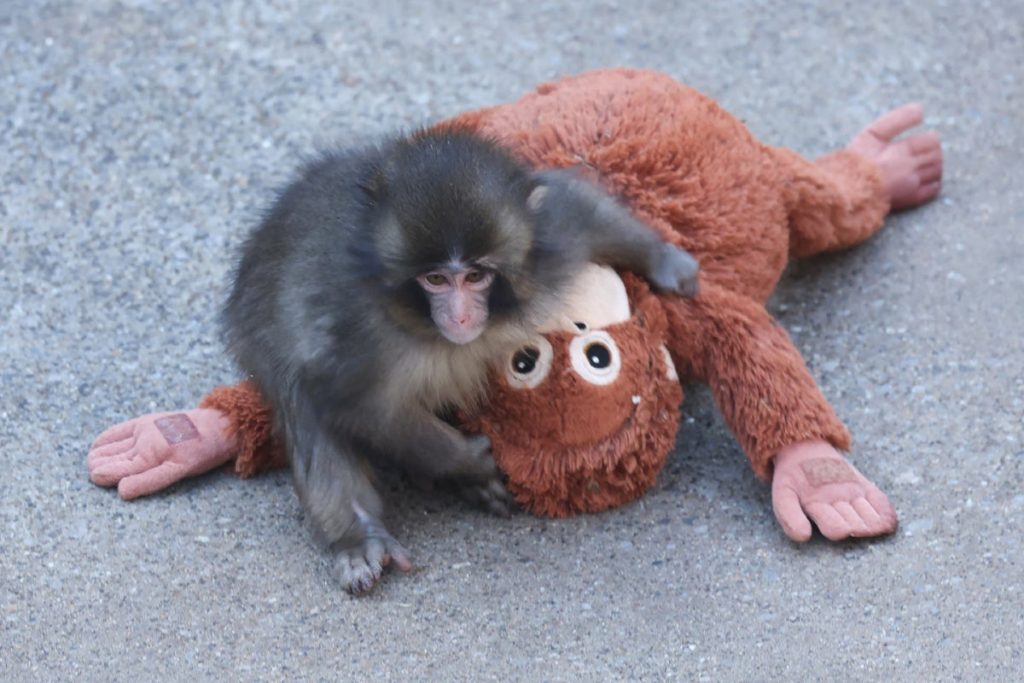
A young macaque at Japan’s Ichikawa City Zoo has captured global attention through touching footage of his bond with a stuffed orangutan toy. The infant, abandoned by his mother and shunned by his social group, was given the plush companion by caretakers seeking to provide comfort during his isolation.
While the images of the small primate embracing his artificial surrogate have melted hearts across social media platforms, they also illuminate fundamental principles of psychological development that date back to groundbreaking research from the mid-20th century.
Revolutionary Research on Maternal Bonds
In the 1950s, American psychologist Harry Harlow conducted pivotal experiments that challenged prevailing scientific thought about how infants form emotional connections. His work involved separating newborn rhesus monkeys from their biological mothers and placing them in controlled environments with two distinct artificial caregivers.
The first substitute consisted of a wire framework designed to resemble a monkey’s form, equipped with feeding mechanisms to deliver nourishment. The second option featured a monkey-shaped figure covered in soft terry cloth material that offered no food but provided tactile comfort through its warm, plush surface.
This experimental design directly confronted behaviorist theories that dominated psychology at the time, which proposed that infant attachment developed solely through the satisfaction of basic survival needs like hunger and thirst.
Surprising Results Challenge Scientific Assumptions
Harlow’s hypothesis suggested that emotional comfort played a more significant role in bonding than previously understood. The results proved revolutionary: despite receiving all nutritional requirements from the wire structure, the infant monkeys consistently chose to spend the majority of their time clinging to the cloth-covered figure.
This preference for emotional security over mere sustenance fundamentally altered scientific understanding of early development. The research demonstrated that babies actively seek warmth, comfort, and emotional connection rather than simply gravitating toward sources of physical nourishment.
Foundation for Modern Attachment Science
These discoveries became cornerstones of contemporary attachment theory, which emphasizes the critical importance of secure emotional bonds in healthy child development. According to this framework, children thrive when caregivers provide consistent emotional availability, responsiveness, and nurturing attention.
Conversely, when caregivers remain emotionally distant, inconsistent, or neglectful, children may develop insecure attachment patterns that can affect their relationships and emotional regulation throughout life. The theory recognizes that while meeting physical needs remains essential, emotional nourishment proves equally vital for optimal development.
Contemporary Parallels and Ethical Considerations
The viral footage from the Japanese zoo inadvertently recreates elements of Harlow’s controlled experiments in a real-world setting. The young macaque’s devotion to his stuffed companion mirrors the behavior observed in laboratory subjects decades earlier, reinforcing the universal need for comfort and security among primates.
However, modern ethical standards would prohibit deliberately replicating Harlow’s original methodology. Current understanding of primate cognition and emotional capacity recognizes these animals as sentient beings deserving of protection from psychological harm.
The widespread fascination with this contemporary example underscores enduring truths about emotional development. Both human and non-human primates require more than basic survival provisions to flourish – they need safe spaces, gentle touch, and emotional warmth to develop healthy relationships and psychological resilience.