The Rise of Unqualified Running Influencers: Why Social Media Fitness Advice Can Be Dangerous
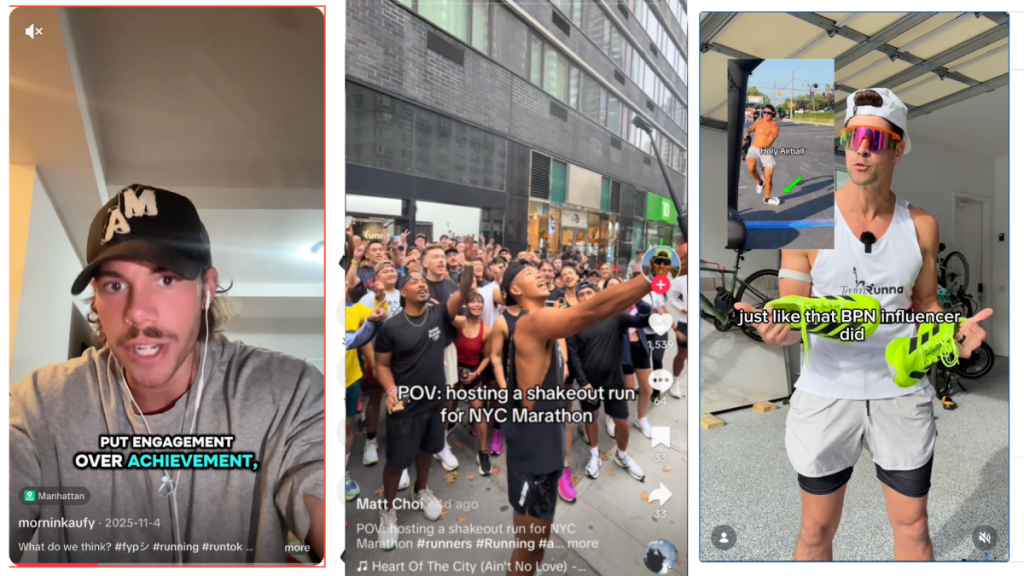
The world of social media fitness has witnessed a concerning trend in recent years, particularly within the running community. A new generation of content creators has emerged, positioning themselves as training experts while often lacking the proper qualifications to provide sound athletic guidance. These individuals capitalize on engaging content formats and algorithmic preferences, but their advice frequently falls short of professional standards.
The proliferation of these fitness influencers isn’t inherently problematic. Sharing personal transformation stories and building community connections can inspire newcomers to embrace running. However, issues arise when unqualified creators begin dispensing training advice, often prioritizing content creation over athletic expertise. Some have even faced consequences for prioritizing their online presence over race integrity, including disqualifications from major marathons for filming violations.
This phenomenon has created a troubling divide between those who appear knowledgeable about running and those who actually possess the expertise to guide others safely. Following advice from the wrong side of this divide can lead to missed opportunities for improvement at best, or serious injuries at worst.
The Economics Behind Fitness Influencer Culture
The running boom has intensified dramatically in recent years. Major marathons now operate lottery systems due to overwhelming demand, and local races sell out faster than ever before. This surge has created a massive audience of novice runners seeking guidance, naturally turning to social media platforms for information.
Unfortunately, social media algorithms favor specific types of content: dramatic race footage, before-and-after transformations, and sensationalized training stories. These platforms don’t reward nuanced discussions about gradual base-building or the importance of maintaining conversational pace during most training runs. Exciting but potentially misleading advice consistently outperforms methodical, scientifically-backed guidance.
Corporate sponsorship further complicates this landscape. Brands often choose to partner with creators who boast millions of followers rather than certified coaches with smaller but more engaged audiences. This dynamic creates an information ecosystem that prioritizes reach over reliability, making it increasingly difficult for consumers to identify trustworthy sources.
Common Pitfalls in Influencer Training Advice
Several recurring problems plague fitness influencer content, creating specific risks for their audiences:
-
Excessive training intensity. Research indicates that approximately 80% of training should occur at an easy, conversational pace, with only 20% dedicated to high-intensity work. However, easy-paced runs don’t generate engaging content, leading creators to promote overly aggressive training schedules that increase injury risk and burnout potential.
-
Biased product recommendations. Content creators often provide equipment and app reviews without disclosing their financial relationships with brands. This creates situations where expensive, specialized gear gets recommended to beginners who would benefit from simpler, more affordable options. Always remember that these creators depend on maintaining positive relationships with sponsors.
-
Generic, one-size-fits-all programming. Professional coaches conduct thorough assessments, considering factors like injury history, available training time, and sleep quality. Social media content, by its nature, cannot provide this individualized approach, yet creators often present their advice as universally applicable.
Evaluating Online Training Guidance
To distinguish reliable advice from questionable content, consider these key factors when evaluating fitness influencers:
Credential Verification
Look for legitimate certifications such as USA Track & Field coaching credentials, Road Runners Club of America certification, relevant academic degrees in exercise science or sports physiology, or documented competitive athletic experience. A large social media following does not constitute a professional qualification.
Explanation Quality
Trustworthy sources explain the reasoning behind their recommendations rather than simply stating rules. Be wary of absolute statements like “everyone must run five days weekly” or “long runs should always occur on Sundays” without context or individual considerations.
Transparency About Partnerships
While sponsorship deals don’t automatically disqualify an influencer, they should be clearly disclosed and factored into how you evaluate product recommendations. Hidden financial relationships represent a significant red flag.
Reliable Sources for Running Education
Numerous high-quality, free resources exist for runners seeking evidence-based guidance:
-
Established coaching websites. Veteran coaches who have published training plans for decades often provide well-structured, conservative programs based on proven principles.
-
Reputable running publications. Long-standing magazines and websites typically offer downloadable training plans developed by qualified professionals, covering everything from beginner programs to advanced competitive preparation.
-
Local running communities. The collective wisdom of experienced local runners often surpasses most online content. These groups provide personalized advice and accountability that social media cannot match.
-
Specialized online forums. Certain running communities, particularly those focused on advanced training, maintain high standards for information quality and actively correct misinformation. Their compiled resources often serve as excellent starting points for education.
The App Ecosystem Challenge
Popular running applications aren’t inherently problematic. Many employ structured training methodologies developed by qualified coaches. The issue lies in the influencer marketing layer surrounding these platforms, which often creates unrealistic expectations about pace progression, weekly mileage, and typical improvement timelines.
If you choose to use training applications, focus on understanding the underlying principles rather than blindly following prescribed workouts. This approach helps you adapt the program to your individual needs and circumstances.
Finding Balance in the Digital Age
This analysis shouldn’t discourage consumption of running content entirely. Social media offers valuable inspiration through shared experiences, race documentation, and community building. The key lies in distinguishing between motivational content and instructional material. Apply critical thinking when evaluating training advice, seek out qualified sources, and remember that sustainable athletic development requires patience, consistency, and individualized approaches rather than viral workout trends.