Young Beachcomber Discovers Ancient Bone Potentially Dating Back 500,000 Years
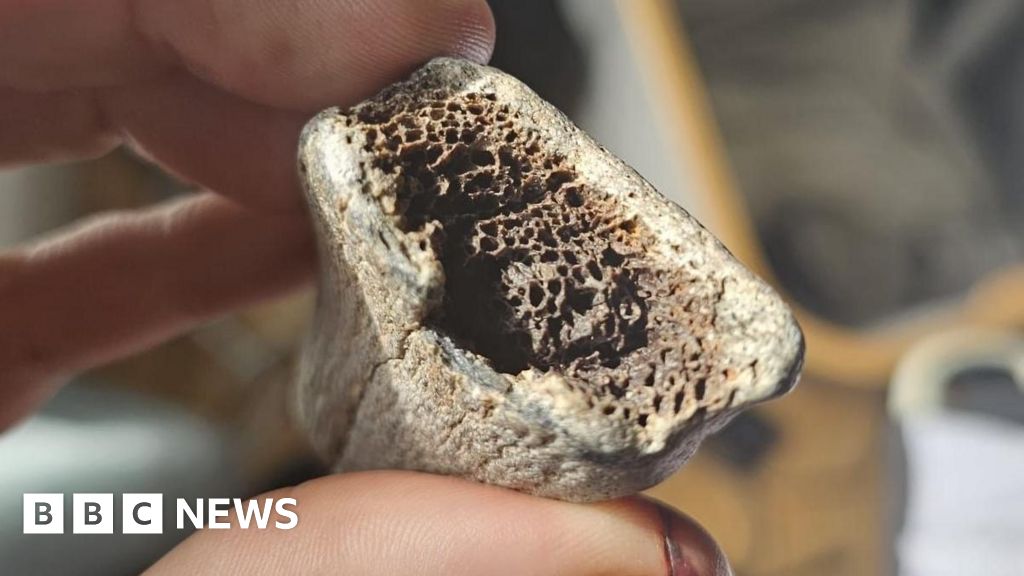
An extraordinary paleontological discovery has emerged from an Easter weekend family outing, as a seven-year-old girl uncovered what experts believe could be an ancient mammal bone dating back up to half a million years.
Nina Evans from Ipswich made the remarkable find while combing Felixstowe beach with her father David, 41, and nine-year-old brother Ivan during their Easter Saturday expedition. The family had been searching for shark teeth when the young fossil hunter spotted the intriguing bone fragment among the coastal rocks.
Initial analysis using artificial intelligence technology suggested the specimen might have originated from a mammoth, prompting the family to seek expert verification of their discovery.
Professor Ben Garrod from the University of East Anglia examined the find and confirmed its potential significance, though he cautioned that definitive identification remains challenging. The evolutionary biologist explained that while the bone could indeed be from a mammoth, it might equally have belonged to various other large prehistoric mammals.
“This specimen came from an animal larger than a cow – potentially from a mammoth, Irish elk, or aurochs, though it could also be from more unusual species like wild horses or rhinoceros,” Garrod explained to media outlets.
The expert’s preliminary assessment places the bone within the Pleistocene epoch, commonly known as the Great Ice Age. This dating suggests the specimen is likely between 100,000 and 500,000 years old, representing a significant archaeological timeframe when early humans coexisted with these massive creatures.
Garrod noted the historical context of the discovery, explaining that during the bone’s original timeframe, the geographic landscape differed dramatically from today. The creature that once possessed this bone could have traveled freely between what is now Suffolk and continental Europe, as the North Sea had not yet formed the barrier that exists today.
“This represents a genuine piece of prehistory and a wonderful discovery,” the professor emphasized.
Suffolk’s coastal regions are renowned among paleontologists and fossil enthusiasts for their rich Pleistocene deposits. The area regularly yields specimens from the Great Ice Age period, including mammoth remains and other extinct megafauna that once roamed the British Isles.
David Evans, Nina’s father, described their regular fossil-hunting expeditions to beaches like Felixstowe and Southwold as routine family activities occurring every few weeks. However, discovering such an ancient specimen was completely unexpected.
“Nina initially asked me what type of stone she had found, and I initially thought it might be driftwood. Once we realized it was actually bone, our excitement grew considerably,” he recounted.
The precious discovery now resides in a special container within Nina’s bedroom safe, where she guards it protectively. Her father describes his daughter as naturally modest about her achievement, noting that while she feels quietly proud of the find, she’s not one to seek attention or acclaim for her discovery.
This remarkable find adds to the growing collection of Pleistocene-era discoveries emerging from British coastal areas, highlighting the ongoing potential for significant paleontological discoveries by amateur fossil hunters exploring the nation’s beaches.