Critical Elections in Central Europe Could Reshape Regional Geopolitics
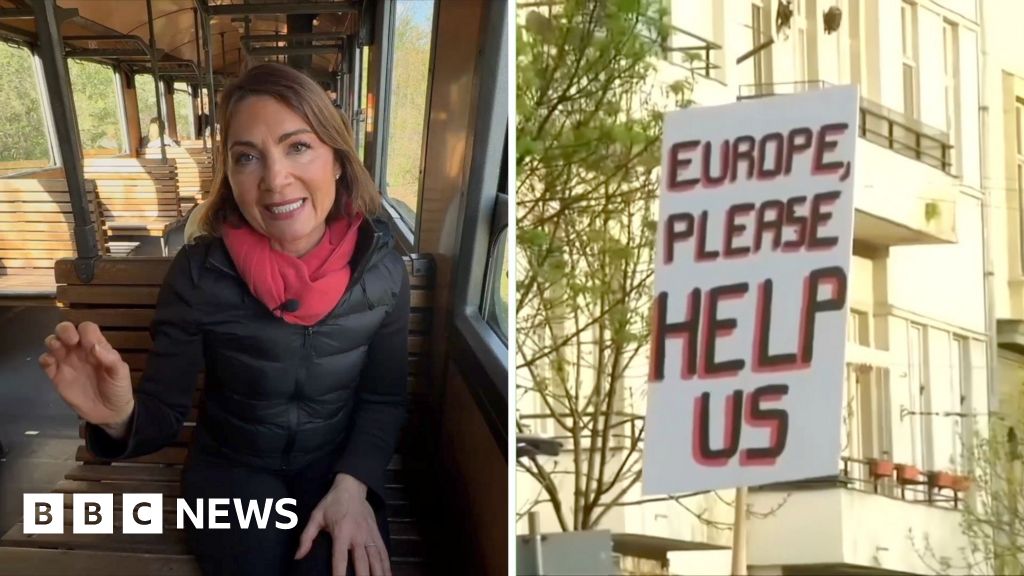
A pivotal electoral contest in Central Europe has captured international attention as voters prepare to decide the future direction of their nation. The upcoming election represents a defining moment that could significantly influence regional dynamics and international relationships.
The incumbent leadership has maintained power for over a decade and a half, establishing complex diplomatic relationships that span multiple global powers. This unique positioning has made the country a focal point for competing international interests, with major world powers closely monitoring the electoral outcome.
Political analysts describe the election as extremely competitive, with polling suggesting a tight race that could go either way. The results are expected to have far-reaching implications beyond national borders, potentially affecting strategic partnerships and regional stability.
Geopolitical Significance
The nation’s strategic location in Central Europe has made it a crucial player in regional politics. Its leadership has cultivated relationships with both Western democracies and Eastern powers, creating a diplomatic balancing act that has drawn international scrutiny.
Foreign policy experts emphasize that the election outcome could reshape existing alliances and influence broader European security arrangements. The country’s position on key international issues, including energy policy, defense cooperation, and economic partnerships, hangs in the balance.
International Implications
Major powers have significant interests in the electoral outcome. Western nations are closely watching for signs of continued democratic governance and alignment with European values. Meanwhile, Eastern powers view the election as potentially affecting their regional influence and strategic partnerships.
The election takes place against a backdrop of heightened tensions in the region, with ongoing conflicts and shifting geopolitical alignments adding urgency to the democratic process. International observers have noted the potential for the results to influence broader European politics and security arrangements.
Local political dynamics reflect broader global trends, with voters weighing domestic concerns against international pressures. Economic policies, social issues, and foreign relations have all emerged as key campaign themes, reflecting the complex challenges facing the nation.
As election day approaches, international media and diplomatic circles remain focused on this Central European nation, recognizing that the outcome could have lasting implications for regional stability and global political alignments.