Why Smart Travelers Are Skipping Europe in Summer: 10 Compelling Reasons
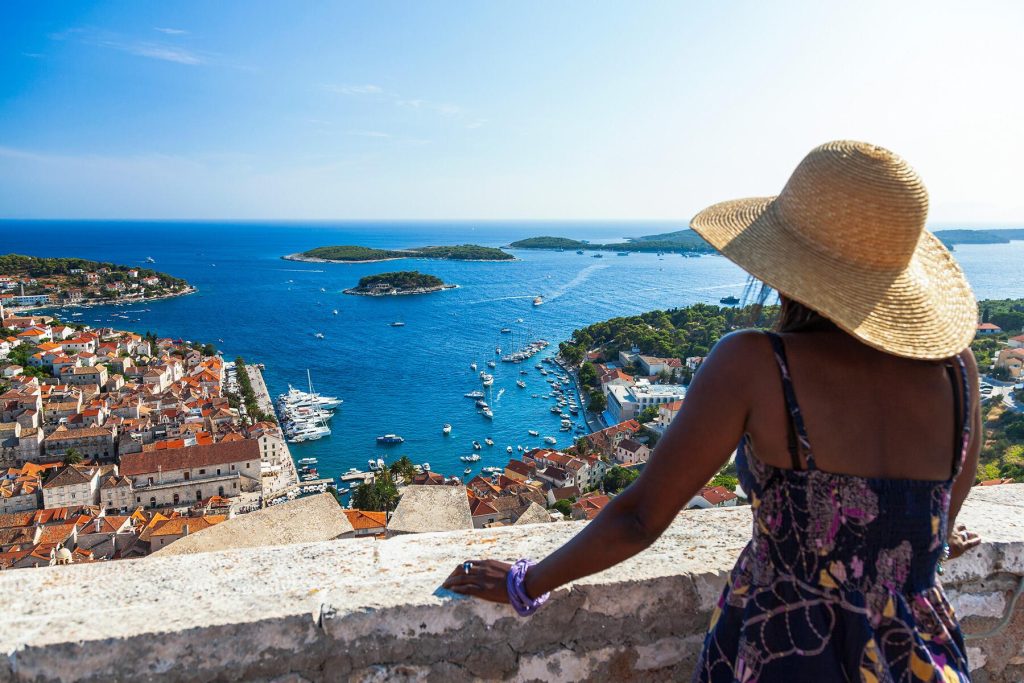
The romantic notion of European summers is losing its luster as travelers increasingly discover the harsh realities behind the glossy tourism brochures. What once promised idyllic Mediterranean coastlines and charming cobblestone streets now delivers scorching temperatures, overwhelming crowds, and growing tensions between visitors and residents.
The continent’s peak season has become a victim of its own success, with record-breaking visitor numbers straining infrastructure, depleting resources, and transforming beloved destinations into overcrowded tourist traps. Meanwhile, anti-tourism protests are erupting across major cities as locals struggle with the consequences of mass tourism.
For discerning travelers, the solution lies in embracing the off-season. Spring and autumn offer the same stunning architecture, rich culture, and culinary delights without the summer chaos. These quieter months provide genuine connections with local communities and a more sustainable approach to exploring Europe’s treasures.
Authentic Local Culture Vanishes During Peak Season
The vibrant pulse of European cities dramatically slows during July and August as residents flee to cooler destinations or close their businesses for extended holidays. Traditional family establishments shutter their doors for weeks, neighborhood eateries operate with skeleton crews, and cultural venues run on reduced schedules. This exodus leaves behind sanitized tourist zones devoid of the authentic local life that draws many visitors to Europe in the first place. Travelers seeking genuine cultural immersion find themselves navigating empty streets lined with closed shops rather than experiencing the dynamic community life that defines these historic cities.
Rising Costs From New Tourism Fees
European municipalities are implementing increasingly expensive visitor charges to combat overtourism and fund infrastructure maintenance. Venice has introduced day-trip entry fees, Amsterdam has substantially increased its tourist tax, and Barcelona continues raising overnight accommodation surcharges. Portugal now requires visitors to pay nightly fees per person at all lodging facilities. While individually modest, these charges accumulate rapidly for families or travelers visiting multiple cities, making summer trips significantly more expensive than shoulder-season alternatives.
Inadequate Cooling Systems in Historic Buildings
Modern air conditioning remains surprisingly rare across European accommodations, particularly in older buildings that predate contemporary climate control needs. As extreme heat becomes more frequent, travelers often discover that advertised cooling systems provide minimal relief or operate under strict usage restrictions. The European Environment Agency documents increasing heatwave frequency and intensity, especially in southern regions, making the absence of reliable air conditioning more than a minor inconvenience for visitors accustomed to North American cooling standards.
Drought Conditions and Water Rationing
Climate data reveals that water scarcity affected nearly one-third of European Union territory during at least one season in recent years. Persistent drought conditions have forced Spain, Italy, France, and Greece to implement seasonal water restrictions that directly impact visitors. These measures can include shortened shower times, closed hotel swimming pools, and limited water service in restaurants. Such restrictions protect essential local resources but can surprise travelers who haven’t anticipated these limitations during their vacation planning.
Escalating Wildfire Threats
Mediterranean Europe faces mounting wildfire risks during summer months, with Portugal, Spain, southern France, Italy, and Greece experiencing particularly severe fire seasons. These blazes have forced emergency evacuations from beaches, hotels, and entire island communities. Beyond immediate safety concerns, wildfires create widespread disruption through smoke pollution, road closures, and forced itinerary changes. The unpredictable nature of fire emergencies can transform carefully planned vacations into stressful evacuation scenarios.
Dangerous Heat Extremes
European heatwaves now regularly push temperatures above 100°F in major cities including Rome, Athens, Lisbon, and Seville. Climate scientists confirm that Europe is warming faster than any other continent, with summer conditions becoming increasingly hazardous for outdoor activities. Museums reduce operating hours, tourist attractions close during peak heat, and public transportation becomes overcrowded with people seeking air-conditioned refuge. These extreme temperatures pose particular risks for families with young children, elderly travelers, and individuals with health conditions.
Historic Districts Become Tourist Theme Parks
Summer crowds transform Europe’s most cherished historic centers into outdoor amusement parks where souvenir shops and vacation rentals replace authentic local businesses. Dubrovnik’s Old Town, Florence’s Renaissance districts, and Prague’s medieval quarters experience such dramatic seasonal changes that UNESCO has expressed concern about threats to their cultural integrity. Visitors hoping for meaningful cultural experiences instead find themselves navigating dense crowds and commercialized environments that bear little resemblance to living, breathing communities.
Overwhelmed Transportation Networks
Even Europe’s sophisticated transportation infrastructure buckles under peak-season demand. High-speed trains sell out weeks in advance, urban metro systems overflow with passengers, and airports experience extended security delays and frequent flight disruptions. Smaller coastal destinations and island communities face even greater challenges, with limited ferry services, overcrowded buses, and strained emergency services. These logistical bottlenecks can transform smooth travel plans into frustrating exercises in crowd management.
Growing Anti-Tourism Sentiment
Local residents across Europe are increasingly vocal about tourism’s negative impacts on their communities. Peaceful but disruptive protests have erupted in Barcelona, Amsterdam, Venice, Lisbon, and the Canary Islands as locals express frustration over housing shortages, overcrowded public spaces, and the commercialization of their neighborhoods. While these demonstrations rarely pose direct safety concerns, they can disrupt travel plans and create uncomfortable tensions in areas already struggling with visitor management.
The Overtourism Crisis Reaches Breaking Point
Summer represents the peak of Europe’s overtourism crisis, when popular destinations simply cannot accommodate the volume of visitors without significant degradation of the experience. Iconic sites like the Acropolis, the Louvre, and Cinque Terre implement strict crowd-control measures just to maintain basic operations. The UN World Tourism Organization has identified this excessive visitor concentration as a major threat to both environmental sustainability and tourism quality. The result for travelers is longer wait times, higher prices, limited availability, and crowds so dense they obscure the very attractions people came to see.