Mediterranean Filming Locations Behind Homer’s Odyssey and Christopher Nolan’s Epic Adaptation
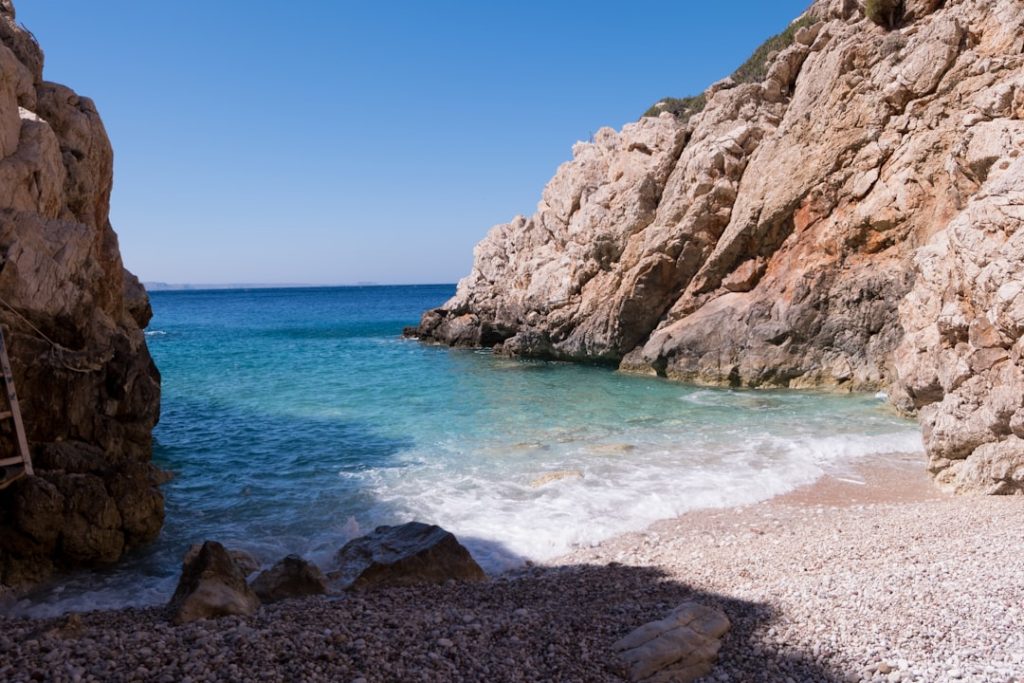
Across the sun-drenched Mediterranean, from ancient Greek shores to Sicily’s volcanic islands, the landscapes that inspired Homer’s timeless epic have now served as the stunning backdrop for Christopher Nolan’s upcoming film adaptation of The Odyssey. These dramatic coastal settings bring the legendary tale to life on the big screen while offering modern travelers a chance to walk in the footsteps of both ancient heroes and contemporary filmmakers.
For almost three millennia, Homer’s epic poem has captivated audiences with its tale of Odysseus’s perilous journey home. Nolan’s cinematic interpretation takes advantage of the Mediterranean’s natural grandeur, utilizing locations spanning from mainland Greece’s Peloponnese region to the remote volcanic archipelagos surrounding Sicily. The production showcases beaches, caverns, and historic fortifications that provide appropriately epic backdrops for this legendary story.
The filming also underscores Greece’s emerging status as a premier destination for international productions, supported by attractive government tax incentives. Recent high-profile projects include Brad Pitt’s work on Hydra island and upcoming productions featuring Daniel Craig and Michelle Williams on Corfu. Beyond their cinematic appeal, many of these Greek locations maintain deep connections to the original story, from islands traditionally associated with Odysseus’s homeland to ancient ruins mentioned in Homer’s verses.
Voidokilia Beach – Messinia, Peloponnese
Among Greece’s most spectacular coastal formations, this location provided a compelling setting for Nolan’s adaptation. The beach creates an almost perfect horseshoe of golden sand, forming a symmetrical landscape that appears almost otherworldly in its beauty. Visitors can enjoy the tranquil Ionian waters or trek the rocky trail leading to Paleokastro fortress ruins, which filmmakers utilized as a magnificent viewpoint.
This Peloponnese region holds significant connections to Homer’s narrative. According to the epic, Telemachus journeys to this area while searching for his missing father and encounters King Nestor, a wise ruler who had fought alongside Odysseus during the Trojan conflict.
Nestor’s Cave – Messinia, Greece
Positioned high above Voidokilia Beach, this dramatic cave opening faces the Ionian Sea from clifftop heights. While Homer doesn’t specifically reference the cave, local tradition connects it with King Nestor as a shelter where he provided counsel to travelers like Telemachus.

The cave’s spectacular setting helps explain its mythological associations. With its wind-swept cliffs and expansive ocean vistas, the landscape captures the same elemental atmosphere that characterizes Homer’s maritime world, making it an ideal natural filming location that evokes the story’s mythic proportions.
Methoni Castle – Methoni, Greece
Extending into the Ionian Sea on a rocky peninsula, this massive fortress offered one of the most visually striking filming locations. Constructed primarily by Venetians during the thirteenth century, this vast stronghold once protected a crucial maritime route connecting East and West.
Though the castle postdates the Bronze Age setting of The Odyssey, its imposing sea-facing walls and isolated coastal position create an atmosphere reminiscent of the fortified ports described in Homer’s epic. The complex features sprawling bastions, ruined churches, and panoramic sea views, culminating in the iconic Bourtzi tower.
Almyrolakkas Beach – Gialova, Greece
Less renowned than neighboring Voidokilia, this raw, wind-swept coastline perfectly captures the untamed essence of Homer’s seafaring world. Rolling hills meet the Ionian Sea, creating an expansive sandy shoreline with crystal-clear waters and minimal crowds.
This pristine landscape proved ideal for filming scenes that reflect the long, uncertain voyages of Odysseus and his crew. The beach conveys the sense of adventure and isolation that permeates the epic, with its open vistas and elemental setting perfectly suited to depicting moments of both triumph and uncertainty.
Pylos and the Palace of Nestor – Pylos, Greece
The town of Pylos holds crucial significance in The Odyssey, serving as the destination for Telemachus’s quest to learn about his father’s fate from King Nestor. Near the town stands one of Greece’s best-preserved Mycenaean palaces, dating from approximately 1300 BCE.

Visitors can explore ancient courtyards and storage areas where archaeologists discovered clay tablets inscribed with Linear B script, representing the earliest known written Greek. Though not used in filming, these well-preserved ruins offer invaluable insights into the Bronze Age civilization that inspired Homer’s epic.
Acrocorinth – Corinth, Greece
Rising above modern Corinth, this massive hilltop citadel ranks among Greece’s largest and most impressive fortresses. The site has been fortified since ancient times, with later expansions by Byzantine, Venetian, and Ottoman powers. Filmmakers utilized the location’s monumental stone walls and sweeping vistas to emphasize the epic scale of Homer’s world.
Ithaca – Ionian Islands, Greece
Though not featured in filming, Ithaca is traditionally considered Odysseus’s birthplace. The island remains among the most tranquil in the Ionian Sea, featuring forest-covered hills descending to peaceful coves and fishing harbors. Visitors can explore Vathy’s waterfront, hike scenic island trails, and visit archaeological sites linked to the legendary king, including the Polis Cave where excavations uncovered bronze tripod fragments similar to those mentioned in Homer’s epic.
Kefalonia – Ionian Islands, Greece
While not used in filming, some scholars suggest Kefalonia may have been the actual setting for Odysseus’s kingdom rather than Ithaca. The island’s dramatic geography of towering mountains, underground lakes, and vast beaches certainly matches the grand scale of Homer’s narrative. Highlights include the glowing underground lake at Melissani Cave, the golden expanses of Myrtos Beach, and Venetian architecture in Fiskardo harbor.
Favignana (Egadi Islands) – Sicily, Italy
This rugged island off Sicily’s western coast served as an Italian Mediterranean filming location. Often called “Goat Island,” Favignana has long intrigued historians seeking real landscapes behind The Odyssey, as Homer describes Odysseus landing on an island abundant with wild goats. The island’s rocky coves, pale limestone cliffs, and turquoise waters create a naturally epic setting accessible by ferry from Trapani.
Aeolian Islands – Sicily, Italy
The volcanic Aeolian archipelago, with its smoking craters, black-sand beaches, and dramatic cliffs rising from the Tyrrhenian Sea, provided another spectacular filming backdrop. In The Odyssey, the wind god Aeolus rules from the mythical floating island of Aeolia, where he gifts Odysseus a bag containing the world’s winds. Ancient writers later connected Aeolia with this archipelago, particularly Lipari and Stromboli, whose elemental landscapes of fire, sea, and wind perfectly suit epic storytelling.
Photo by Courtney Hall on Unsplash
Photo by Renaldo Kodra on Unsplash