Historic Federal-Style Convex Mirrors Experience Renaissance in Modern Interiors
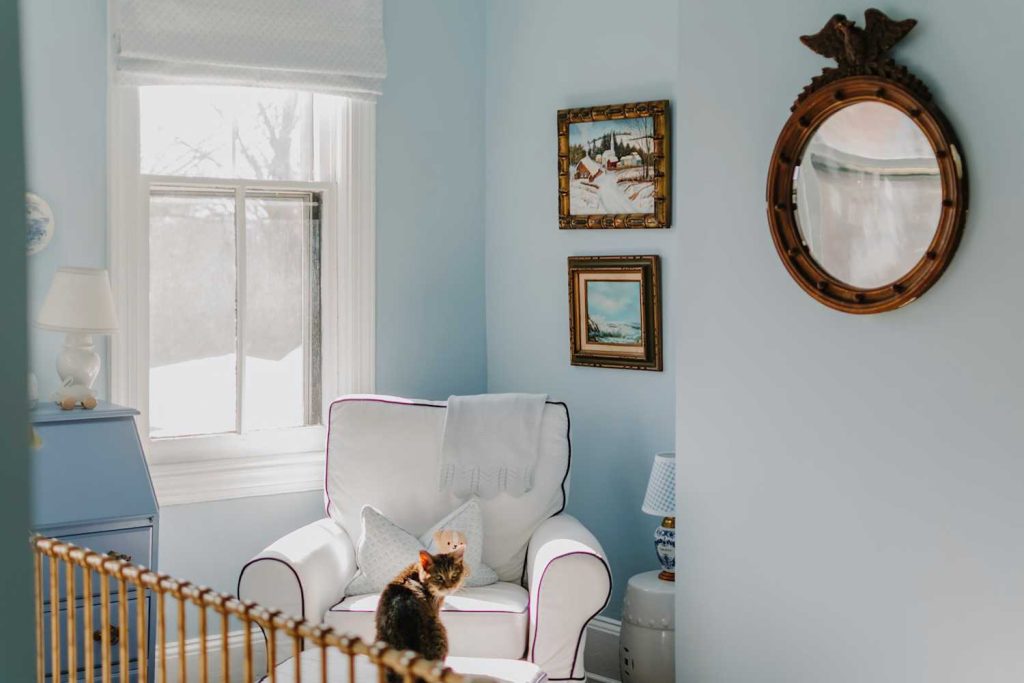
As America approaches its 250th anniversary celebration, a distinctive piece of early American design is capturing the attention of interior enthusiasts and collectors alike. The federal-style convex mirror, with its characteristic gilded frame and majestic eagle crown, is experiencing a remarkable resurgence in contemporary home decor.
A Storied American Design Legacy
These ornate mirrors trace their origins to 18th-century France, where convex glass was employed to amplify natural light throughout elegant residences. However, when this European concept crossed the Atlantic, American craftsmen transformed it into something uniquely patriotic. The addition of a proud eagle perched atop the frame became the defining feature that distinguished these pieces as distinctly American.
Kristyn McCray, an antique specialist and proprietor of Virginia-based vintage retailer Sincerely James, notes that authentic federal-style mirrors encompass pieces created during the federal design period spanning 1780 to 1830. The most recognizable versions feature convex glass encircled by gilded frames, often adorned with thirteen decorative spheres representing the original colonies.
Investment Pieces with Historical Significance
The appeal of these mirrors extends beyond mere aesthetics. Young collectors particularly gravitate toward pieces that offer tangible connections to American heritage. As the nation’s Semiquincentennial approaches, there’s heightened interest in traditional design elements that tell the story of America’s early years.
Authentic 18th and 19th-century examples command premium prices, often reaching several thousand dollars at auction houses and established antique dealers. These investment-grade pieces typically feature hand-carved wooden frames finished with genuine gold leaf, representing the pinnacle of period craftsmanship.
Accessible Alternatives for Modern Collectors
For those seeking the aesthetic without the substantial investment, reproduction mirrors offer an accessible entry point. These modern interpretations, crafted from materials ranging from wood composite to resin, can be found for hundreds rather than thousands of dollars. Estate sales, antique malls, and online marketplaces frequently yield vintage reproductions from mid-20th century manufacturers like Syroco.
McCray recommends estate sales as prime hunting grounds for both authentic pieces and quality reproductions. Her personal collection includes a uniquely shaped wooden version discovered at a Tennessee estate sale, demonstrating the unexpected treasures that patient collectors can uncover.
Versatile Styling for Contemporary Spaces
Despite their historical origins, federal-style mirrors demonstrate remarkable adaptability in modern interiors. Their commanding presence makes them natural focal points, whether positioned above fireplaces in minimalist living rooms or serving as statement pieces in eclectic entryways with bold wallpaper.
The key to successful integration lies in understanding scale and placement. Larger mirrors work best as dramatic centerpieces, while smaller reproductions can be incorporated into gallery walls or paired with sconces for balanced lighting arrangements. McCray emphasizes positioning these mirrors in high-traffic areas where they can be appreciated daily and spark conversations with guests.
Modern Interpretations
Contemporary furniture retailers now offer updated versions that capture the essence of federal styling while accommodating current design preferences. These pieces maintain the distinctive convex profile and decorative elements while utilizing modern materials and finishes.
The enduring appeal of federal-style mirrors lies in their ability to bridge centuries of American design. As collectors and decorators seek pieces with authentic character and historical resonance, these mirrors provide both visual impact and cultural significance, making them worthy additions to any thoughtfully curated interior.